


Preventing falls: Why It Matters and How to Stay Safe
September 23, 2025 | Leave a Comment
by Mandi Hetzel, COMSTags: balance, preventing falls, Vision loss
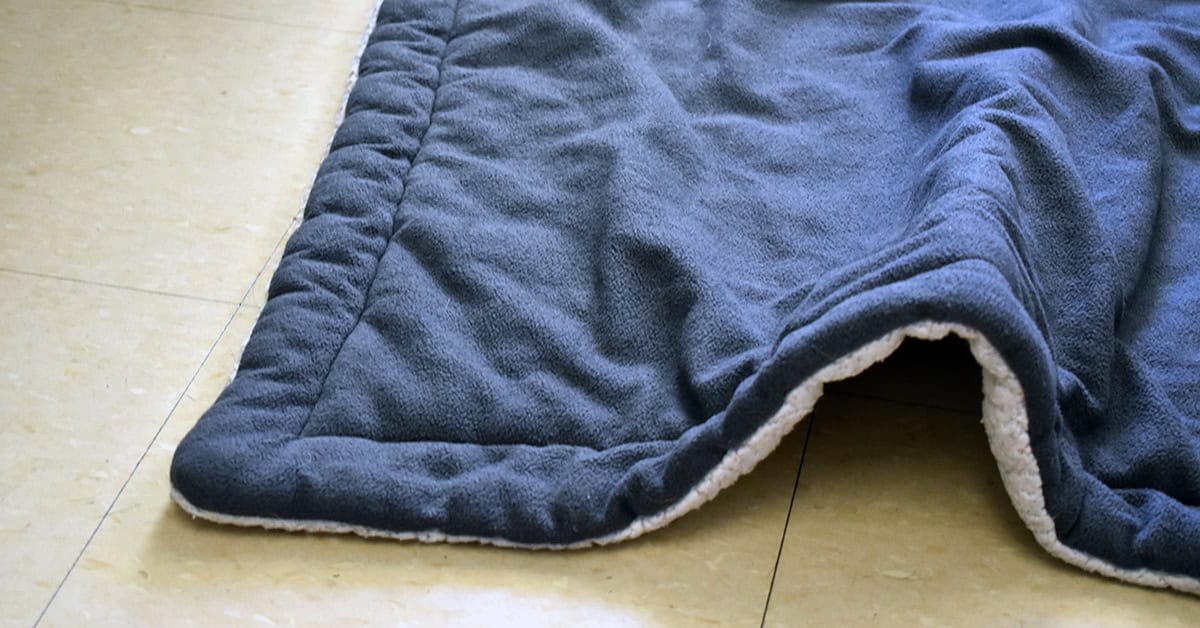
Throw rugs and other floor coverings can become tripping hazards if they are not secured in place.
Falls are a serious health concern, especially for older adults and those with low vision or blindness. At our recent workshop on fall prevention, we discussed the importance of guarding against falling. If you missed this workshop, here’s what you need to know about falls.
What Do the Numbers Really Say About Falling?
- About 1 in 4 adults aged 65 and older experiences a fall each year
- Older adults with vision loss are nearly twice as likely to fall
- Falls are the leading cause of both fatal and non-fatal injuries in older adults
- 83% of deaths from hip fractures and 88% of emergency department visits for hip fractures are due to falls.
Why Is Preventing Falls Important?
The impacts of falling go far beyond physical injury. As we age, our ability to heal quickly diminishes, making falls potentially more dangerous.
Falls can:
- Result in serious injuries like broken bones or brain trauma
- Lead to long-term disability, reduced mobility, or need for assistive devices
- Cause fear of falling, which can limit your activities and lead to:
○ decreased physical activity
○ muscle weakness and loss of bone density
○ greater risk of chronic conditions such as heart disease and diabetes - Increase social isolation, depression, and loneliness due to fear of leaving home.
What Steps Can You Take to Prevent a Fall?
Preventing falls not only helps maintain independence, but also improves overall health and quality of life. Here’s what you can do:
Improve Your Environment
- Keep floors clear of clutter and tripping hazards
- Use non-slip mats instead of throw rugs
- Install grab bars in bathrooms and showers
- Use handrails on stairs and in hallways
- Improve lighting throughout the home
Adjust Your Lifestyle
- Wear non-slip shoes or socks indoors
- Avoid going out in icy conditions
- Use YakTrax or shoes with good traction in winter
- Stay physically active with gentle exercises like tai chi, yoga, pilates, or walking
- Track your walking steadiness using the Apple Health app
Maintain Healthy Habits
- Get regular, restful sleep
- Avoid alcohol and caffeine, as they can cause dizziness
- Keep blood sugar under control (especially if you have diabetes)
- Move slowly and take your time when changing positions or walking
What Should You Do If You Fall?
The first hour after a fall is critical. Here’s what to do if you fall:
- Stay calm
- Do not rush to get up — check for injuries first
- Look for bruises, bleeding, or pain
- To get up safely:
○ Roll onto your side
○ Slowly move onto hands and knees
○ Crawl to a sturdy object like a chair
○ Place your stronger foot flat on the floor
○ Use the chair for support to rise slowly
○ Sit down and rest
Call 911 if you feel dizzy, disoriented, or can’t get up.
Also call if you suspect a broken bone or have bleeding that won’t stop.
Even if you feel okay, see your doctor afterward. Undetected injuries can worsen over time. Your doctor may recommend physical therapy to help you heal properly and reduce the chance of another fall.
Final Thoughts
Falls are preventable. With the right knowledge and a few small changes to your daily habits, you can significantly reduce your risk. Prevention is the key to staying active, independent, and healthy at any age.
Mandi is the Certified Orientation and Mobility Specialist at Second Sense.